
Subtle Body Stability, Ancient Wisdom, and Inner Architecture
Meditation posture matters more than many people realize. Across meditation and yogic traditions, sitting upright is not simply a matter of discipline or appearance. The posture of the body plays a foundational role in supporting awareness, stability, and the deeper unfolding of meditation practice.
Many people wonder why meditation traditions emphasize upright sitting in meditation posture, often on the floor, rather than lying down or leaning back in a chair.
Is this simply tradition?
Discipline for discipline’s sake?
Or is something more subtle at work?
Across contemplative lineages, posture has never been treated as incidental. It is understood as part of the technology of meditation. A way of shaping the conditions in which awareness can stabilize, deepen, and integrate over time.
This understanding is especially clear in yogic and tantric systems, where body, breath, and consciousness are seen as inseparable.
Why Meditation Posture Matters
Across ancient yogic and tantric systems, posture is not considered a superficial choice. It is a way of giving form to consciousness.
Upright sitting in meditation creates an inner stability that stays with you beyond the meditation cushion and into daily life. It supports the natural movement of energy through the body and gradually refines subtle perception, allowing awareness to deepen and integrate over time.
This stability is not forced. It arises naturally when the body is given a form it can trust. Over time, upright sitting meditation posture also builds the subtle physical strength needed for steadiness and strength that reclining or leaning postures simply do not cultivate.
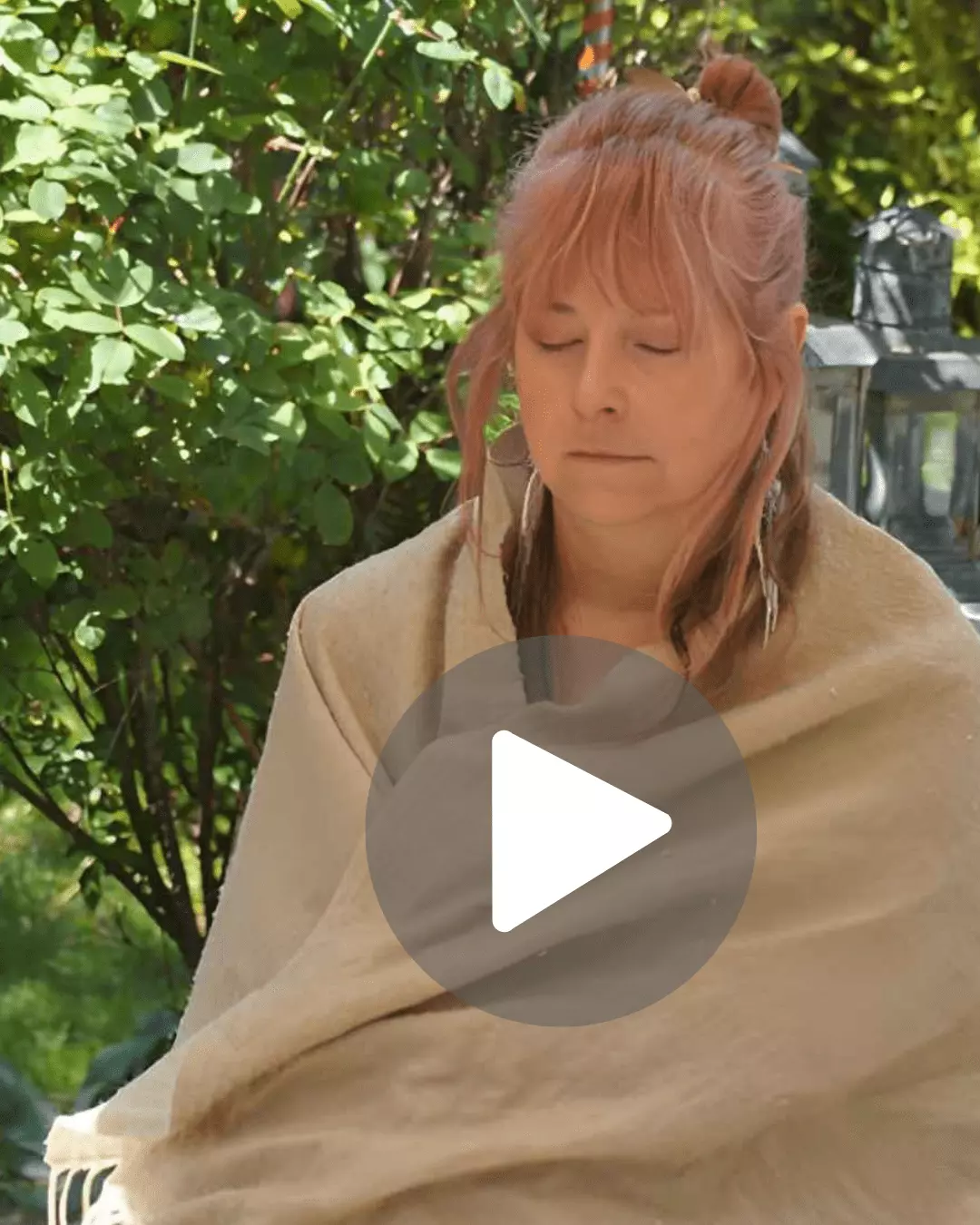
Below is a short video with a few practical tips on meditation posture.
Classical Yoga and the Meaning of a “Seat”
This understanding is not abstract or symbolic. It is woven throughout classical yoga texts, where meditation posture is described as a seat. Something that must reliably hold the body, spirit and the mind.
Rather than emphasizing effort or endurance, these teachings point toward a posture that is steady, easeful, and sustainable. A posture that allows awareness to gather without strain.
In classical yoga, meditation posture (āsana) is not approached as exercise or flexibility training. It is defined by one essential principle: steadiness paired with ease.
Texts such as the Hatha Yoga Pradipika describe seated postures like Padmāsana (full lotus) and Siddhāsana as optimal supports for meditation. These postures are not presented as aesthetic ideals, but as functional structures. Seats that allow the body to remain still, the breath to move freely, and awareness to settle inward without collapse or agitation.
The Spine as an Organizing Axis
In yogic and tantric anatomy, the spine is not viewed solely as a physical structure. It is understood as a central organizing axis. A vertical orientation through which both physical and subtle processes are coordinated.
Classical teachings describe the primary energetic pathway, suṣumnā nāḍī, as running along the spinal column, with the chakras aligned along this central line. Sitting upright naturally supports this alignment. It gives awareness a stable orientation and allows energy to move with less obstruction.
When the spine collapses, as often happens when reclining or leaning back, energy tends to disperse or sink. This can feel relaxing, even soothing, but it does not support sustained clarity or refined perception.
An upright spine, by contrast, supports alert presence without rigidity.
Nadis & Subtle Body Coherence
In yogic and tantric understanding, this vertical orientation of the spine is not only structural. It is energetic.
The subtle body is described as a network of energy channels, known as nāḍīs, through which life force (prāṇa) flows. Among the many nadis spoken of in the tradition, three are considered primary: Ida, Pingala, and Sushumna.
Ida and Pingala run along the left and right sides of the spine and are associated with complementary qualities: receptive and active, lunar and solar, inward and outward. These currents shape how we experience rest and activity, introspection and engagement, sensitivity and vitality.
Sushumna, the central channel, runs along the midline of the spine. It is regarded as the primary pathway through which deeper states of awareness and subtle perception unfold.
Upright sitting directly supports this subtle architecture. When the body is aligned and balanced, the alternating currents of Ida and Pingala are more likely to come into harmony, allowing energy to naturally orient toward the central channel.
When the body is collapsed or reclining, energy tends to disperse laterally or sink downward, favoring rest and recuperation. This can be nourishing, but it does not support the same quality of centered, luminous awareness cultivated in seated meditation.
Over time, upright sitting strengthens both the physical and subtle musculature required to remain present. The spine becomes a reliable axis. And the subtle body develops the capacity to hold awareness steadily, without strain or dissipation.
Subtle Body Capacity and Stability Over Time
From a traditional perspective, meditation is not only about insight or experience. It is also about capacity. The ability of the system to hold expanded awareness without fragmentation, overwhelm, or dissociation. Sitting upright also supports alertness in meditation, helping awareness remain present rather than drifting toward sleep or collapse.
Upright sitting in meditation plays a quiet but essential role in this process. It supports coherence between breath, nervous system, and attention. Over time, this coherence strengthens the subtle body, allowing perception to become more refined and stable.
This is why classical systems distinguish between postures meant for rest and postures meant for contemplation. Lying down is invaluable for integration and recovery. Seated meditation, however, is oriented toward cultivation. The gradual building of inner architecture that can hold awareness with steadiness.
Floor, Chair, and the Question of Support
While sitting on the floor is often ideal, it is not the only valid option. What matters most is not the shape of the posture, but the quality of support it provides.
A chair can work well when it allows the spine to remain upright and unsupported, with the feet grounded and the body alert. Leaning back, however, subtly shifts the nervous system toward rest and changes the quality of awareness and inner architecture being cultivated.
The aim is not comfort alone, but a balance between ease and wakefulness. A posture that supports presence. Presence meaning your I Am and as well spiritual Presences.
When Lying Down Is Appropriate
It’s important to be clear: lying down is not wrong.
It is appropriate for deep rest, nervous system regulation, and integration after intense inner work. These states are essential and should not be underestimated.
But they support a different quality of consciousness than seated meditation. Ancient teachers were pragmatic. Different intentions require different forms.
Posture as Inner Architecture
From a yogic perspective, posture is not about external form or perfection. It is about creating an inner structure that can reliably hold awareness, and spiritual presences.
An upright sitting in meditation posture supports clarity without force. It trains the system to remain receptive and awake. Over time, it builds subtle stability through consistency. Sitting upright also supports alertness and engagement during meditation, helping prevent the tendency to drift toward drowsiness that can come from lying down.
This is why posture has always been taught as foundational. When the body knows how to sit, the mind can rest more naturally. And from that steadiness, meditation unfolds with greater depth and coherence.
Practices like meditation posture gradually build the inner stability that allows deeper perception to unfold. This same subtle architecture is also supported in Sacred Vision Healing sessions.
Continue the Exploration
If this reflection resonated with you, you’re welcome to receive occasional writings on meditation and inner transformation.
Further Reading
When the Higher Self Lands Read Here
As stability grows, meditation stops being something you practice and begins becoming something that descends into you. I wrote about this shift here…
Shadow Work & Ego: Who Is Driving the Bus Read Here
Shadow work deepens when the ego is no longer driving the bus and most of us don’t realize when it still is. This article explores spiritual bypassing, Christ-conscious containment, and the gift of being held beyond self-navigation.